
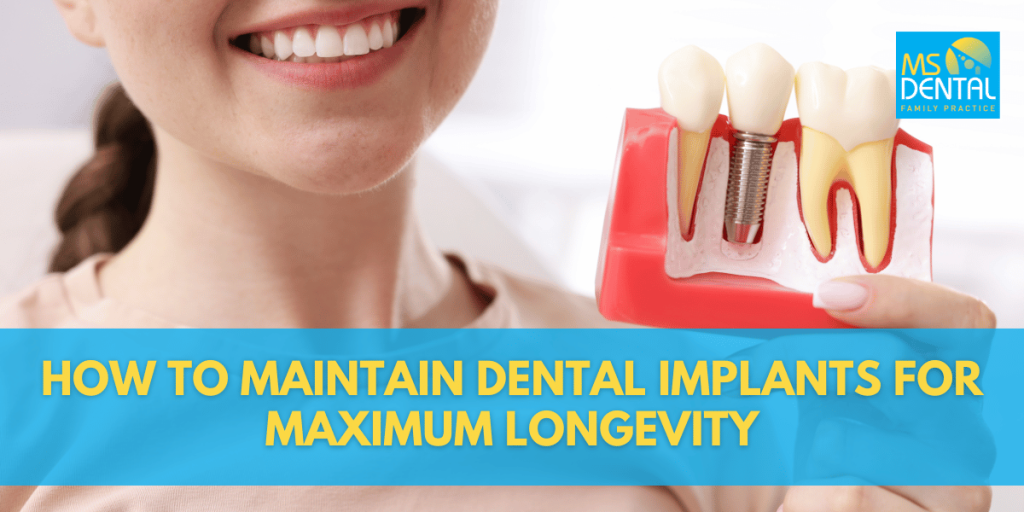
Dental implants are a popular solution for replacing missing teeth. They can restore your smile, improve chewing function and provide a stable foundation for replacement teeth. With proper care, dental implants can last for many years, making daily maintenance an important part of protecting your investment.
If you have dental implants or are considering treatment, understanding how to care for them can help support their long-term success. Here are six practical ways to maintain dental implants and keep your gums healthy.
1. Brush Your Teeth Twice a Day
Brushing twice daily is essential for maintaining dental implants. Although implants cannot develop tooth decay, the surrounding gums and supporting bone can still be affected by bacterial buildup.
Use a soft-bristled toothbrush and fluoride toothpaste to clean your teeth, gums and implant-supported crowns. Brush gently around the gumline, paying attention to areas where plaque can accumulate.
An electric toothbrush may also help remove plaque effectively. Your dentist can recommend a suitable brush and technique based on your needs.
2. Clean Between Your Teeth Every Day
Brushing alone cannot reach every surface around your teeth and implants. Food particles and plaque can collect between teeth and beneath implant-supported restorations.
Clean between your teeth daily using dental floss, interdental brushes or a water flosser. The most suitable option depends on your implant design and the spaces around your teeth.
Ask your dentist or oral health therapist to demonstrate the correct technique. Using the right cleaning tools can help reduce plaque buildup and support healthy gums around your implants.
3. Attend Regular Dental Check-Ups and Professional Cleans
Regular dental visits are important for maintaining dental implants over time. Your dentist can assess your gums, check your implant restoration and identify potential problems before they become more serious.
Professional cleaning also helps remove plaque and deposits from areas that are difficult to reach at home. Your dental team may use specialised instruments designed for cleaning around implants.
The recommended appointment frequency depends on your oral health, gum condition and individual risk factors. Patients with a history of gum disease may need more frequent reviews.
Learn more about dental check-ups and professional cleans at MS Dental.
4. Avoid Smoking and Maintain Healthy Habits
Smoking can increase the risk of complications around dental implants and affect the health of your gums. Quitting smoking can help improve your overall oral health and support better long-term outcomes.
A balanced diet also contributes to healthy gums and supporting tissues. Choose nutritious foods, drink plenty of water and limit frequent sugary snacks.
If you have diabetes, keeping your blood glucose levels well managed is also important. Tell your dentist about relevant medical conditions and medications so your care can be tailored to your needs.
5. Protect Your Implants from Excessive Pressure
Dental implants are designed to handle normal chewing forces. However, excessive pressure from teeth grinding, clenching or biting hard objects can damage the crown or other components.
Avoid using your teeth to open packaging or bite non-food objects. If you grind your teeth during sleep, ask your dentist whether a custom night guard would be appropriate.
Contact your dentist if your implant crown feels loose, your bite changes or you notice discomfort when chewing. These symptoms should be assessed rather than ignored.
6. Watch for Signs of Implant Problems
Dental implants require ongoing care because the surrounding tissues can develop inflammation or infection. Peri-implant mucositis affects the soft tissues around an implant, while peri-implantitis can involve progressive loss of supporting bone.
Warning signs may include:
- Red, swollen or bleeding gums around an implant.
- Persistent bad breath or an unpleasant taste.
- Pain or tenderness around the implant.
- Gum recession or visible changes around the restoration.
- A loose crown or changes in how your teeth fit together.
If you notice these symptoms, arrange a dental assessment promptly. Early evaluation can help identify the cause and determine whether treatment is needed.
How Long Do Dental Implants Last?
Dental implants can last for many years, and the implant itself may last a lifetime with appropriate care. However, longevity is not guaranteed.
The implant, which sits within the jawbone, is different from the crown, bridge or denture attached to it. The restoration can experience normal wear and may require repair or replacement over time.
Your oral hygiene, gum health, smoking habits, medical conditions and regular dental maintenance can all influence the long-term outcome.
For more information about treatment options, visit the MS Dental dental implants page.
Dental Implant Care in Cardiff, Fletcher, Mayfield and Newcastle
If you have dental implants, ongoing professional care can help maintain your oral health and identify potential complications early.
MS Dental provides dental care for patients across Cardiff, Fletcher, Mayfield and Newcastle. Implant consultations are available at the Fletcher clinic with Principal Dentist Dr Monika Shah.
Whether you need an implant consultation, a routine check-up or advice about an existing restoration, the team can assess your needs and recommend appropriate care.
Book Your Dental Appointment with MS Dental
Looking after your dental implants involves consistent home care, healthy habits and regular professional reviews. These simple steps can help protect the surrounding gums and support the longevity of your restoration.
Book an appointment with MS Dental in Cardiff, Fletcher or Mayfield today. Visit our dental implant page to learn more about treatment and arrange a consultation with our team.